
Coaching Leadership Style The One Shift That Changes Everything

You got the title. You lead the team. But something feels off.
Your people complete tasks. They hit targets. But they are not growing. They wait for instructions. They avoid decisions. And every time you step away, things slow down.
That is not a team problem. That is a leadership style problem.
Most leaders manage. They direct, control, and push for results. But the best leaders coach. They ask, listen, and unlock potential. That one shift changes everything.
This is what a coaching leadership style does. And exactly how it works, why it matters, and how to start today.

What Is a Coaching Leadership Style?
A coaching leadership style is when a leader focuses on developing people, not just managing tasks.
Instead of telling your team what to do, you ask the right questions. Instead of solving every problem yourself, you help others find their own solutions. Instead of measuring only output, you invest in the person behind the work.
A coaching leader supports, empowers, and develops their team instead of simply directing them. It is a leadership style focused on listening, guiding, and unlocking potential not just giving orders.
This is the opposite of command and control leadership. And in today's workplace, it is becoming the most powerful approach available.
Why Most Leaders Are Stuck in the Wrong Style
Here is the hard truth. Research by Daniel Goleman found that the coaching style is used least often. Many leaders say they do not have time in this high pressure environment for the slow and tedious work of helping people grow.
So they keep managing. They keep telling. They keep doing things themselves.
And the result? Burnout. High turnover. Teams that cannot function without constant direction. Leaders who are always the bottleneck.
The irony is this: the style that feels like it takes the most time actually gives you the most time back. When your people grow, they need less from you. When your team thinks independently, you spend less time firefighting.
The problem is not awareness. It is execution. Most leaders know they should coach. They do not know how to start.
The Core Problem This Solves for You
If any of these sound familiar, a coaching leadership approach is exactly what you need.
You feel like you are always the one solving problems. Your team lacks initiative and waits for direction. Feedback conversations are awkward and avoided. Your best people are leaving or disengaging. You work harder than everyone around you.
These are not personality flaws in your team. They are symptoms of a leadership gap. Many executives find that performance problems are not caused by strategy issues, but by interpersonal habits and unconscious leadership patterns.
Coaching leadership fixes this at the root.

The Real Benefits of a Coaching Leadership Style
When you lead like a coach, the results are measurable not just emotional.
Studies show an ROI of up to 788% for executive coaching, with gains in increased productivity, improved employee retention, and enhanced leadership effectiveness
Organizations also report revenue growth of up to 16.7% from effective coaching programs.
But beyond the numbers, here is what actually changes inside your team.
Your people start thinking for themselves. When you ask questions instead of giving answers, you develop critical thinkers. Your team stops waiting for you. They start bringing solutions instead of just problems.
Communication becomes honest and direct. As awareness improves through coaching, decision making becomes more intentional. Meetings become more productive, and teams respond faster to strategic decisions because expectations are clear.
Engagement goes up. By actively involving team members in decision making and problem solving, a coaching leadership style boosts their engagement. Engaged employees are more committed, productive, and likely to stay.
You build future leaders. Every coaching conversation is an investment. You are not just solving today's problem. You are building the capability of your team for years ahead.
This is the compound interest of leadership. The effort you put in now multiplies over time.
Coaching vs.Managing. The Key Difference
Many leaders confuse coaching with mentoring. Or they think it means being soft or hands off.
It is none of those things.
The difference between coaching and management is that management focuses on the work, while coaching focuses on the person. Management operates from the idea that the leader knows best, overseeing the team directly and pushing toward specific outcomes.
Coaching is the opposite creating strong collaboration with the goal of elevating the individual and their work.
A coaching leader is deeply involved. Just in a different way. You are not abdicating responsibility. You are multiplying it. You are growing your team's capacity to lead themselves.
Coaching is not about losing control. It is about gaining influence.
How to Start Using a Coaching Leadership Style
You do not need a certification or a program to begin. You need three consistent habits.
1. Ask before you answer. The next time someone brings you a problem, resist the urge to solve it. Instead, ask: "What have you already tried?" or "What do you think the best option is?" This single habit builds independent thinkers fast.
2. Make feedback ongoing, not annual. Instead of waiting for annual reviews, feedback should be integrated into everyday interactions and team meetings. Employees are coached to succeed in their current role and develop skills for future leadership positions. Short, regular conversations outperform one big review every time.
3. Connect goals to growth. Work with each team member one on one to discover what they need to grow. Develop a strategy to help them build those skills. Support them throughout the process to ensure they stay motivated to continue. When people see a path forward, they bring more of themselves to work.
These three habits are simple. But they require consistency. Leadership is not a one time action. It is a daily practice.

The Challenges And How to Overcome Them
A coaching approach to leadership is not without its difficulties. You deserve to know what to expect.
Time. Coaching takes investment. Rather than giving out orders, you have to slow down, observe, and listen. Start small. One focused coaching conversation per week per team member makes a significant difference over time.
Resistance. Some team members are used to being told what to do. They may find the shift uncomfortable at first. Stay consistent. Trust builds gradually.
Balance. Knowing when to coach and when to direct is a skill in itself. Coaching works best for development and long term goals. In a genuine crisis, clear direction is still needed.
These challenges are real but manageable. And the leaders who push through them build teams that outperform everyone else.
Is This Right for You?
If you lead a team that is underperforming its potential, a coaching leadership style is your answer.
If you are tired of being the bottleneck, this is your answer. If you want people who think, grow, and take ownership this is your answer.
Coaching meets employees where they are and leads to improved employee engagement, increased business results, and greater productivity. Organizations with coaching cultures see transformative results at every level.
This is not a soft skill. This is a strategic advantage.
Start With One Conversation
You do not need to transform your entire leadership approach overnight.
Start with one conversation this week. Sit with a team member. Ask them one genuine question about their growth. Listen. Do not solve. Just listen.
That is where the shift begins.
If you are ready to go deeper, the 5-Day Public Speaking Challenge builds the communication foundation that every coaching leader needs because you cannot coach well if you cannot communicate clearly.
And if you are dealing with speaking anxiety that holds you back from having those conversations at all, read: Speaking Anxiety Solutions.
Want to understand how coaching ties into broader leadership communication? Explore: How Coaching Improves Communication Skills at Work.
For leaders who want a trusted guide on this journey, find out more about working one on one: Motivational Life Coach Guide and One to One Public Speaking Coaching.
Frequently Asked Questions
What is a coaching leadership style in simple terms?
It is a leadership approach where the leader focuses on developing people through questions, feedback, and mentorship rather than giving direct orders. The goal is to grow the individual so the team performs at a higher level long term.
How is coaching leadership different from managing?
Managing focuses on tasks and output. Coaching focuses on the person behind the work. A coaching leader asks questions, supports growth, and builds independence. A manager directs, controls, and monitors compliance.
Does coaching leadership actually improve performance?
Yes. Research consistently shows measurable improvements in employee engagement, retention, team productivity, and overall business results when coaching leadership is applied consistently.
How long does it take to see results from a coaching leadership style?
Early changes in team confidence and communication can appear within weeks. Deeper performance shifts and cultural transformation typically take three to six months of consistent application.
Can introverted leaders use a coaching style effectively?
Absolutely. Coaching leadership relies on listening and asking good questions strengths that many introverted leaders naturally possess. It does not require being loud or dominant. It requires being genuinely present.
What if your team resists the coaching approach?
Resistance is normal when a team is used to being directed. Consistency is the solution. Keep asking questions. Keep following through. Trust builds with time, and most people respond positively when they feel genuinely invested in.
Where do I start if I have never coached before?
Start with one question: "What do you think is the best way forward?" In your next one on one conversation, ask it. Then listen. That is your first coaching conversation. It is that simple.
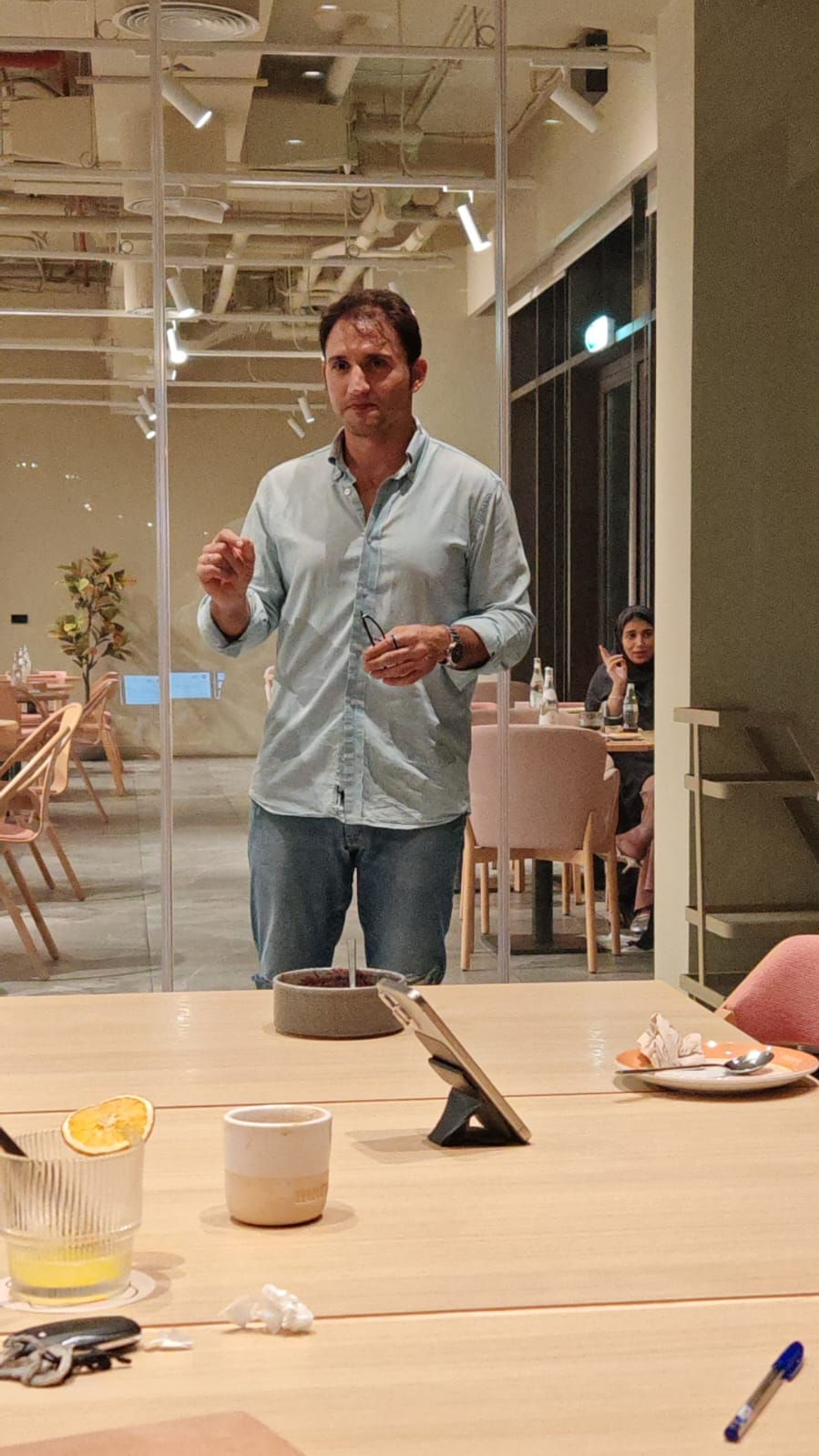
Leadership is not about how much you know
It is about how much you unlock in others.
A coaching leadership style is not a trend. It is the foundation of every high performing team. It builds trust. It develops people. It creates a culture where growth is the norm, not the exception.
And it starts with you deciding to lead differently.
One question. One conversation. One shift.
That is all it takes to begin.


Comments