
Importance of Public Speaking Master Communication Skills That Transform Your Career

Let's put it this way.
You've worked for years to build your expertise. You've earned your seat at the table. But when it's time to speak up in the meeting, your voice betrays you. Your hands shake. Your message gets lost in visible anxiety.
This isn't a competence problem. This is a public speaking confidence crisis that costs you promotions, loses you opportunities, and limits your leadership impact daily.
And if you don't address it now, it will continue to hold you back from the career and life you deserve.
Here's the truth: public speaking isn't just about standing on a stage.
It's about every meeting, every interview, every moment you need to express your voice with clarity and presence. The importance of public speaking in your career and personal life cannot be overstated.
What Is Public Speaking (And Why Does It Matter So Much)?
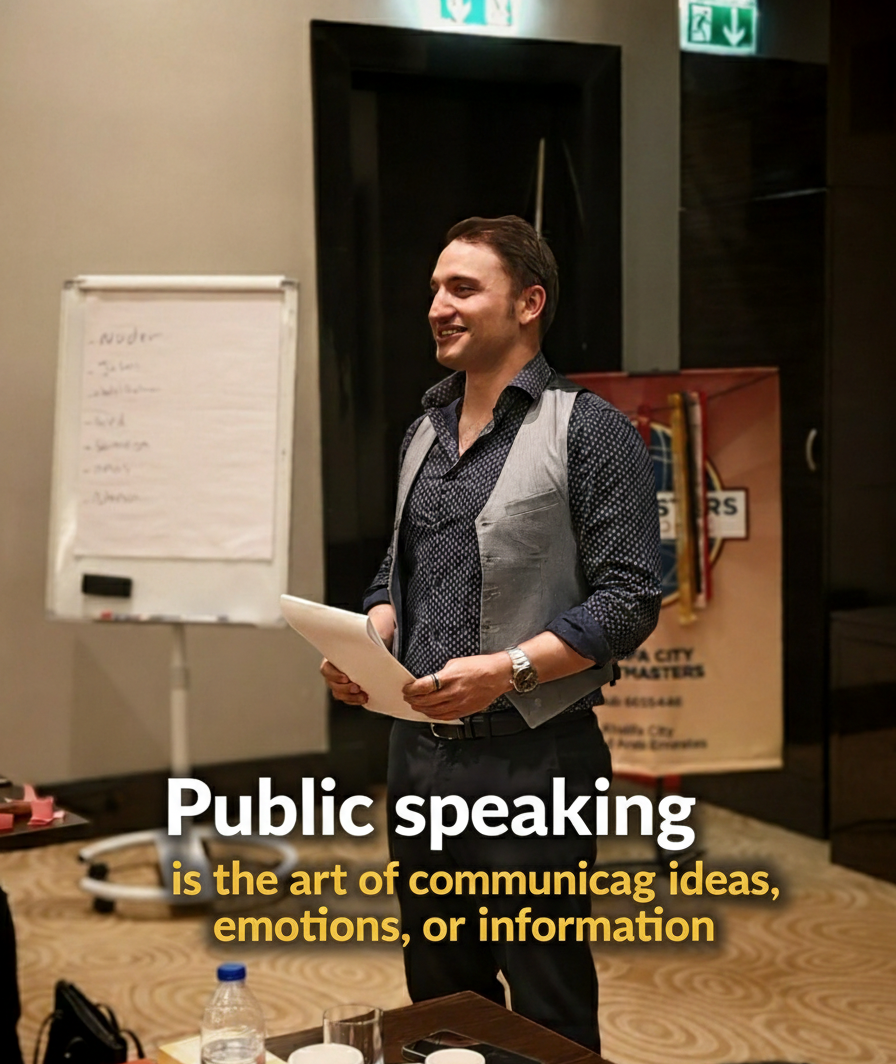
Public speaking is the art of communicating ideas, emotions, or information to an audience, whether that's two people in a coffee shop or two thousand in an auditorium.
But here's what most people miss. Effective public speaking isn't about perfection. It's about connection.
The importance of public speaking in everyday life goes far beyond formal presentations. Every time you share an idea in a team meeting, advocate for yourself in a salary negotiation.
Public speaking is a skill beneficial for career growth as well as everyday life, promoting collaboration, networking opportunities, and respectful relationships.
The Real Impact of Strong Communication Skills
When you master public speaking skills, you unlock doors you didn't even know existed.
Career advancement. Public speaking skills can promote collaboration, networking opportunities, and build respectful relationships that propel your professional trajectory forward.
Influence and leadership. Public speaking is an amazing tool for spreading your point of view and building your influence, whether advocating for important causes or simply sharing ideas that matter.
Confidence in all areas. Overcoming fear of public speaking gives you poise and makes you less nervous in social situations.
Better relationships. Clear, confident communication skills strengthen every relationship in your life from colleagues to family members.
Why Most People Fear Public Speaking (And How to Change That)
Remember Sarah? She's not alone.
Public speaking is routinely described as one of the greatest and most common fears people face. But why?
The fear stems from our primal need for social acceptance. Our brains perceive judgment from an audience as a genuine threat. Fear activates the fight or flight response, causing physical and mental symptoms that can feel overwhelming.
But here's what I've learned coaching hundreds of speakers: This fear is actually energy you can harness.
Transforming Nervous Energy into Power

Nervous energy is your body's way of preparing for a challenge, and it can be harnessed to enhance your focus and engagement.
Think of it this way. butterflies in your stomach aren't your enemy. They're rocket fuel waiting to be channeled into passionate, authentic communication.
The Foundation Essential Public Speaking Skills You Need
Let me break down the core public speaking skills that separate forgettable speakers from unforgettable ones.
1. Know Your Audience
You're more likely to feel comfortable presenting to an audience if you know who they are, allowing you to craft your message in a tone that resonates with them.
Before any presentation, ask yourself:
What does my audience care about?
What problem can I solve for them?
What language and examples will resonate?
2. Structure Content Strategically
Organize your content into a clear and logical structure, typically an introduction, main points, and a conclusion, where each main point flows seamlessly.
Your communication should follow a simple flow:
Hook them with a compelling opening
Deliver value through clear main points
Close with a memorable conclusion
3. Master Body Language and Nonverbal Communication
Here's a secret: Nonverbal communication carries most of the message.
Your body language tells a story before you speak a single word.
Maintain good posture, stand tall, and avoid crossing your arms, which may signal defensiveness. These subtle gestures create an inviting atmosphere.
4. Eye Contact The Ultimate Connection Tool
Moving your gaze around the room can help your audience feel more engaged, which in turn will make you feel more confident.
Don't stare at your notes or slides. Connect with real human beings.
5. Use Your Voice Strategically
Pay attention to your speaking speed and vocal variety. Speaking too quickly can make it hard for your audience to follow, while a monotonous tone can lead to disengagement.
Vary your:
Pace (slow down for important points)
Volume (whisper to draw people in, project to energize)
Tone (match your emotion to your message)
6. Practice, Practice, Practice
The most important advice is to practice, practice, practice.
But not just any practice. Deliberate practice where you:
Record yourself and review
Present to small groups first
Get feedback from trusted mentors
Refine based on what you learn
Best Ways to Improve Public Speaking A Proven Framework

Let me share the exact framework that helped Sarah (remember her?) become one of the most compelling speakers in her company.
1 Start With Low Stakes Opportunities
If speaking to a large audience terrifies you, start with smaller groups and practice speaking in front of friends or family.
Build confidence gradually:
Practice alone first
Then, with one trusted friend
Then small groups
Finally, larger audiences
2 Use Stories to Connect
People connect with stories, and incorporating personal anecdotes into your speech can significantly enhance your communication skills.
Stories make you human. They make your message memorable. They transform information into inspiration.
Learn my storytelling framework that captivates any audience →
3 Leverage Visual Aids Wisely
Highlighting your key points in a PowerPoint slideshow is a great way to help your audience remember those points.
But don't hide behind slides. Use them to enhance, not replace, your communication.
4 Focus on Value, Not Perfection
Instead of worrying about how you're being perceived, concentrate on the value and
importance of your content.
Your audience doesn't need perfection. They need authenticity and value.
5 Embrace the Power of Pauses
Incorporating pauses can enhance your delivery. Pauses give your audience time to digest important information and create anticipation.
Silence is powerful. Use it.
Communication Skills for Everyday Life Beyond the Stage
Here's what transformed Sarah's career: realizing that public speaking principles apply everywhere.
In everyday life, strong communication skills help you.
Navigate difficult conversations with grace
Inspire your team during challenging times
Build deeper connections with loved ones
Advocate effectively for yourself and others
The importance of public speaking extends to every interaction where you want to be heard, understood, and respected.
Types of Public Speaking Situations You'll Encounter
Understanding different public speaking contexts helps you adapt effectively.
Professional Presentations. Board meetings, client pitches, team updates, conference talks
Social Occasions. Weddings, celebrations, community events, introductions
Impromptu Speaking. Q&A sessions, unexpected opportunities, casual conversations elevated to teaching moments
Formal Speeches. Keynotes, commencement addresses, award ceremonies, policy presentations
Each requires slightly different approaches, but the core public speaking skills remain the same.
Tools and Techniques for Becoming a Confident Speaker
Let me share specific tools that accelerate your growth in public speaking.
Visualization Technique
Visualize yourself delivering your speech eloquently to an engaged audience this mental preparation can invigorate self confidence.
Before every important presentation, spend 5 minutes seeing yourself succeed.
Recording and Review
Watching or listening to recordings of yourself helps recognize mistakes you may make during your presentation.
This uncomfortable practice accelerates improvement faster than anything else.
Join Speaking Groups
Organizations like Toastmasters provide safe environments to practice public speaking and receive constructive feedback.
Breathing Exercises
Deep breathing activates your parasympathetic nervous system, reducing anxiety before you speak.
Try this: Breathe in for 4 counts, hold for 4, exhale for 6. Repeat 5 times before your next presentation.
The Risks of NOT Developing Public Speaking Skills

Let's talk about what happens when you avoid developing these crucial communication skills.
Career stagnation. Opportunities go to those who can articulate their ideas confidently
Missed connections. Relationships suffer when you can't express yourself clearly
Lost influence. Your brilliant ideas stay locked inside if you can't communicate them
Perpetual anxiety. Avoiding public speaking only reinforces the fear
Sarah almost paid this price. She nearly turned down her dream role because of fear.
Decision Framework Is It Time to Invest in Your Speaking Skills?
Ask yourself these questions:
Have I passed up opportunities because of speaking anxiety?
Do I struggle to articulate my ideas in meetings?
Do I want to expand my influence and leadership?
Am I ready to invest in my personal and professional growth?
If you answered "yes" to any of these, the time is now.
Alternatives to Traditional Public Speaking Development
Not everyone learns the same way. Consider these paths.
Self Study. Books, podcasts, and YouTube tutorials on public speaking techniques
Online Courses. Structured programs you complete at your own pace
Speech Coaches. One on one personalized guidance (this is what I offer)
Peer Practice Groups. Regular meetups with others committed to improvement
Immersive Workshops: Intensive multi day programs focused on rapid transformation
The best way to improve public speaking depends on your learning style,
Not sure which path is right for you? Schedule a free consultation to discuss your goals →
From Fear to Confidence Sarah's Transformation
Remember Sarah from the beginning?
Six months after our first session, she delivered her first board presentation. Her hands still trembled slightly but this time, with excitement rather than fear.
She told me later. I realized the importance of public speaking wasn't about me being perfect. It was about my ideas deserving to be heard.
Today, she's a VP. She regularly presents to executives, leads town halls, and mentors others struggling with communication fears.
Her secret? She committed to the process. She practiced consistently. She focused on value over perfection.
Your Next Steps Taking Action Today
The importance of public speaking in your career and life is undeniable. But knowledge without action changes nothing.
Here's what I want you to do right now.
This week. Record yourself speaking for 2 minutes on any topic. Watch it. Note one thing you did well and one thing to improve.

This month. Volunteer to speak at one meeting, event, or gathering, even if it's just for 5 minutes.
This quarter. Invest in structured development through coaching, courses, or consistent practice groups.
This year. Commit to becoming the confident communicator you're capable of being.
Your voice matters. Your ideas deserve to be heard.
Frequently Asked Questions About Public Speaking
How can I overcome my fear of public speaking?
Understanding that fear activates the fight or flight response is the first step, then use techniques like deep breathing, visualization, and practicing your speech to manage nerves. Start small, practice consistently, and focus on your message rather than your performance.
What is the most important public
Speaking skill?
Connection with your audience is paramount. You will establish better credibility if your personality shines through, and your audience will trust what you have to say if they can see you as a real person.
How long does it take to become a confident public speaker?
It varies by individual, but most people see significant improvement within 3-6 months of consistent practice. The more comfortable you become in front of a live audience through practice, the better a speaker you will be.
Should I memorize my entire speech?
No. You'll sound stiff if you're delivering a memorized speech using index cards with bullet points is an effective tool to help you remember your big ideas while maintaining natural delivery.
What's the best way to start a presentation?
Start with a hookba compelling story, a surprising statistic, a thought provoking question, or a bold statement. You want to capture the attention of your audience.
How important is body language in public speaking?
Extremely important. Nonverbal communication carries most of the message good delivery conveys the speaker's ideas clearly without distraction.
What should I do if I make a mistake while speaking?
Acknowledge it briefly if necessary, then move forward confidently. Good communication is never perfect, and nobody expects you to be perfect. Your audience is more forgiving than you think.
How can I engage a distracted audience?
Use stories, ask questions, vary your vocal delivery, incorporate movement, and make eye contact. Incorporating pauses, storytelling, and confident body language invites participation and keeps audiences engaged.
Is public speaking a natural talent or learned skill?
It's definitely a learned skill. While some people may have natural tendencies toward extroversion, speaking confidently and effectively in front of a group is a skill that anybody can master through practice and proper guidance.
How do I handle nervousness right before speaking?
Use physical techniques such as deep breathing, power poses, and progressive muscle relaxation. Use mental techniques, such as visualization, positive self talk, and focusing on your message rather than yourself.
Final Thought Your Voice Deserves to Be Heard

The importance of public speaking isn't really about speaking at all.
It's about being heard. Being understood. Making an impact.
It's about not letting fear rob you of opportunities, connections, and the chance to contribute your unique perspective to the world.
Sarah discovered this. Thousands of my clients have discovered this.
Now it's your turn.
Your ideas matter. Your voice has value. The communication skills you develop today will serve you for the rest of your life.
Don't wait for the perfect moment. Don't wait until you feel ready.
Start now. Start small. Start scared if you have to.
Just start
Nervous energy is your body's way of preparing for a
Ready to unlock your full potential as a communicator? Every journey begins with a single step. Take yours today.


Comments